ELMA ULTRASONICS Ultrasonic Cleaners

Filter

Elma ultrasonic cleaners use high-frequency sound waves to clean items by creating microscopic bubbles that implode, effectively removing dirt, grime and contaminants from surfaces. They are ideal...Read more
ELMA ULTRASONICS -

Ultrasonic Cleaners

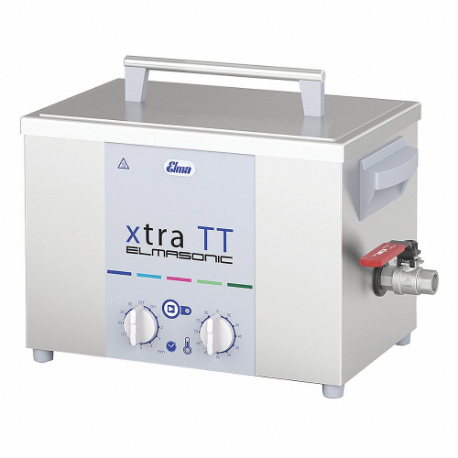
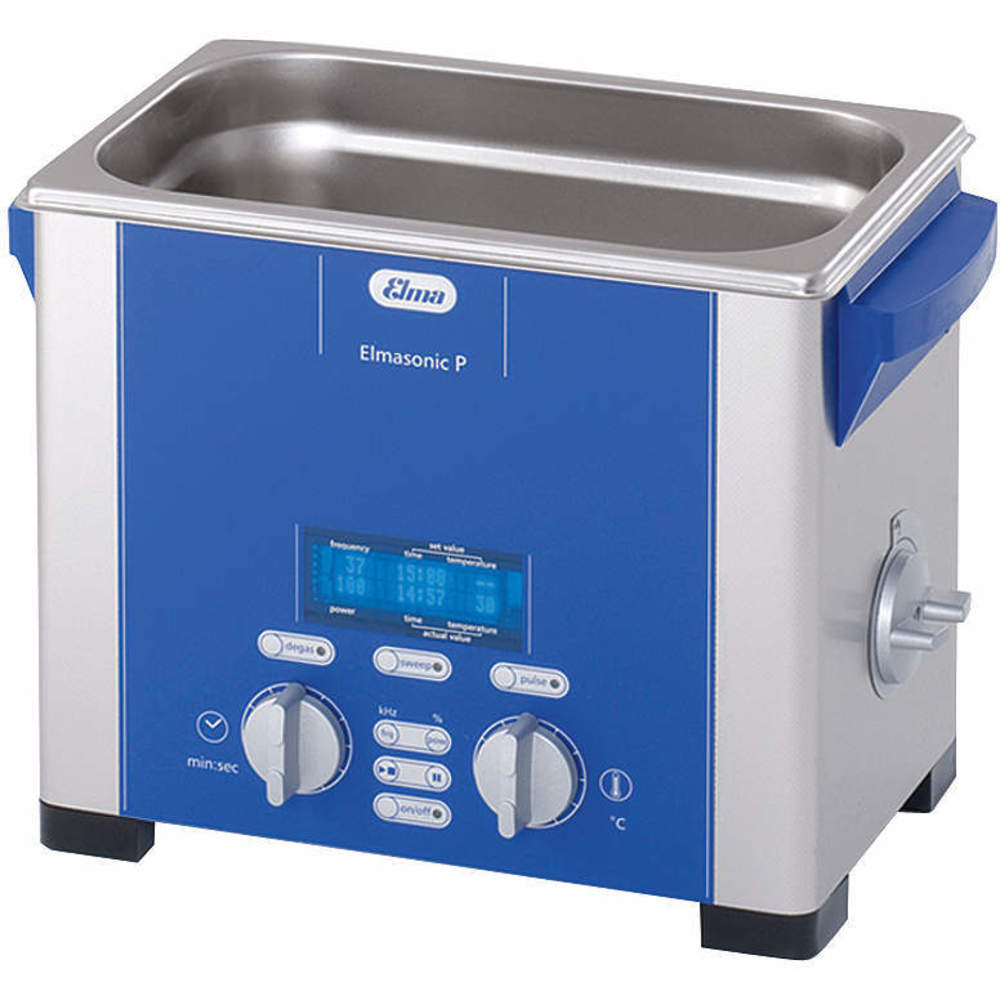
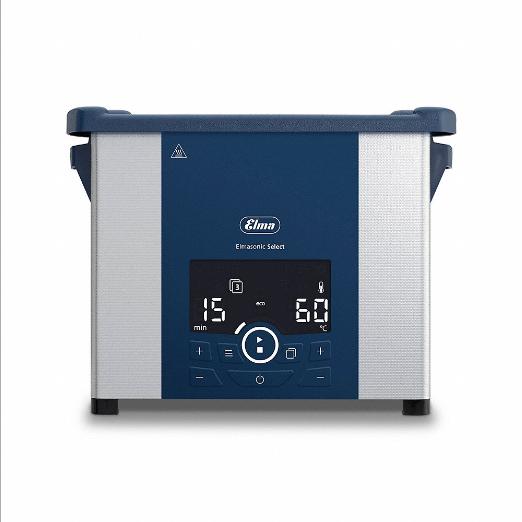
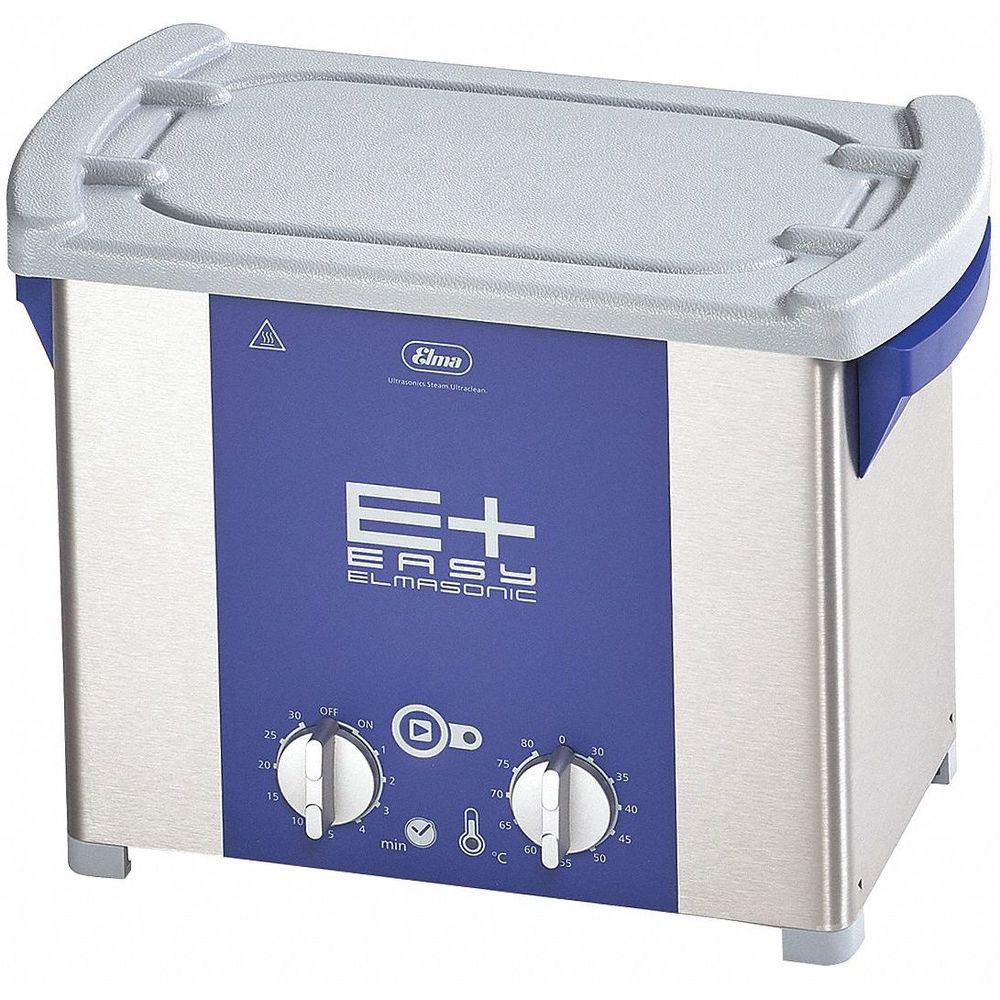
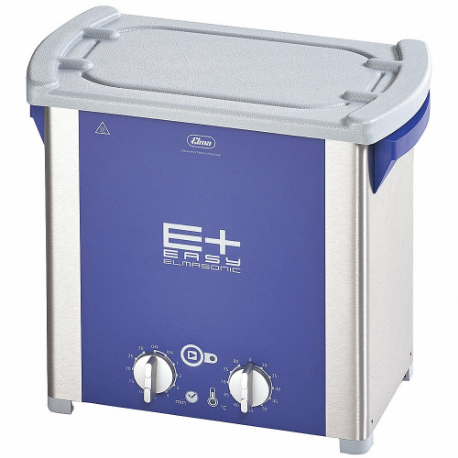
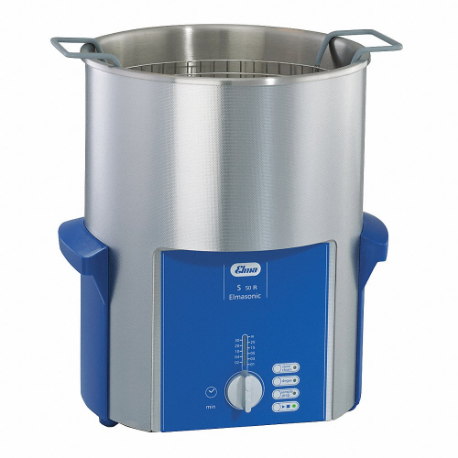
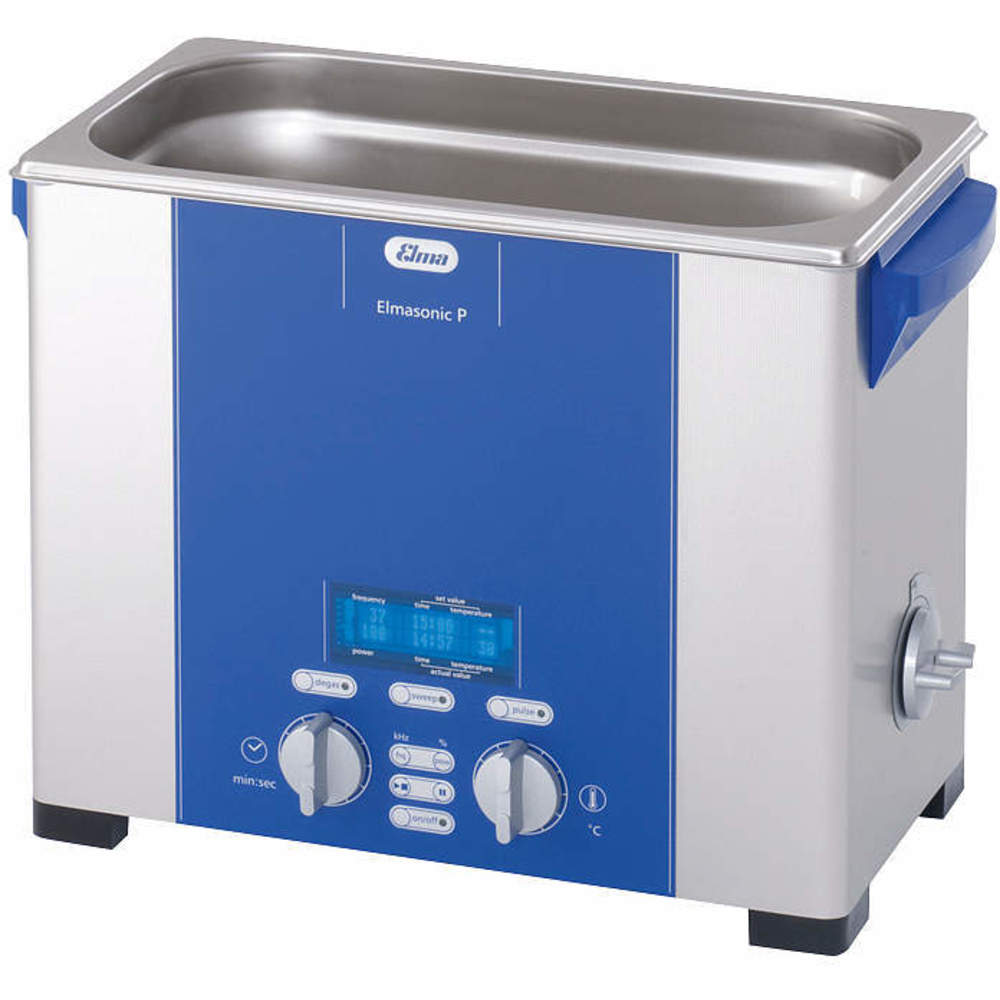
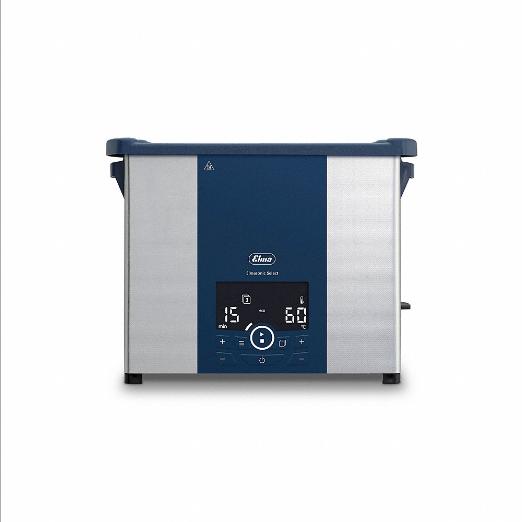
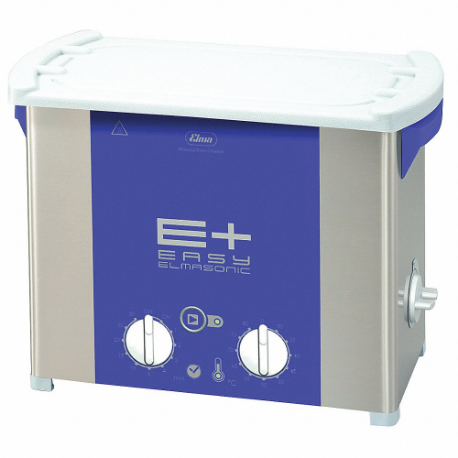
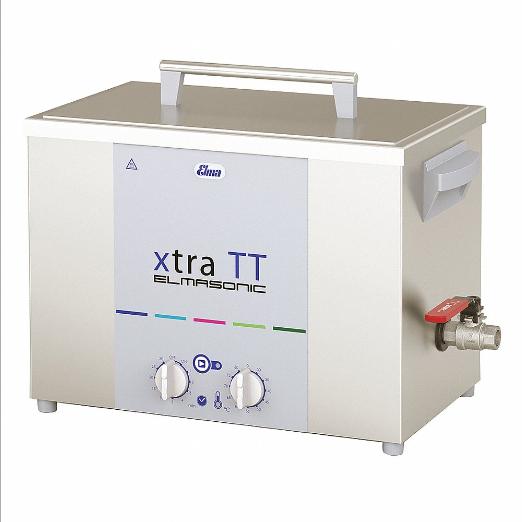
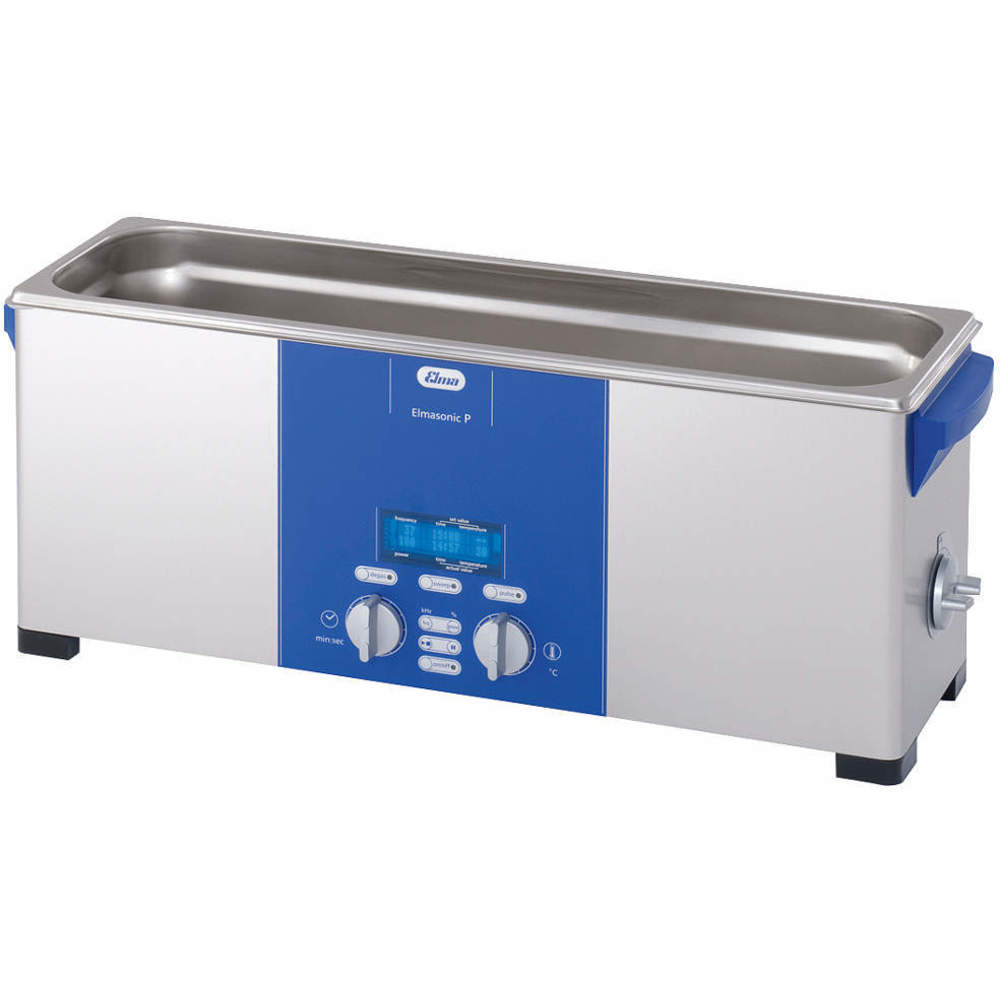
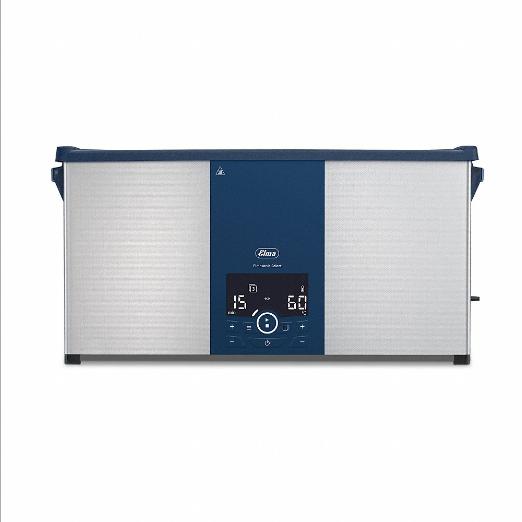
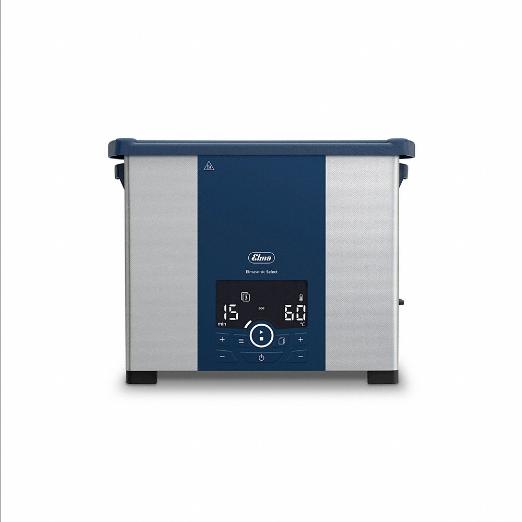
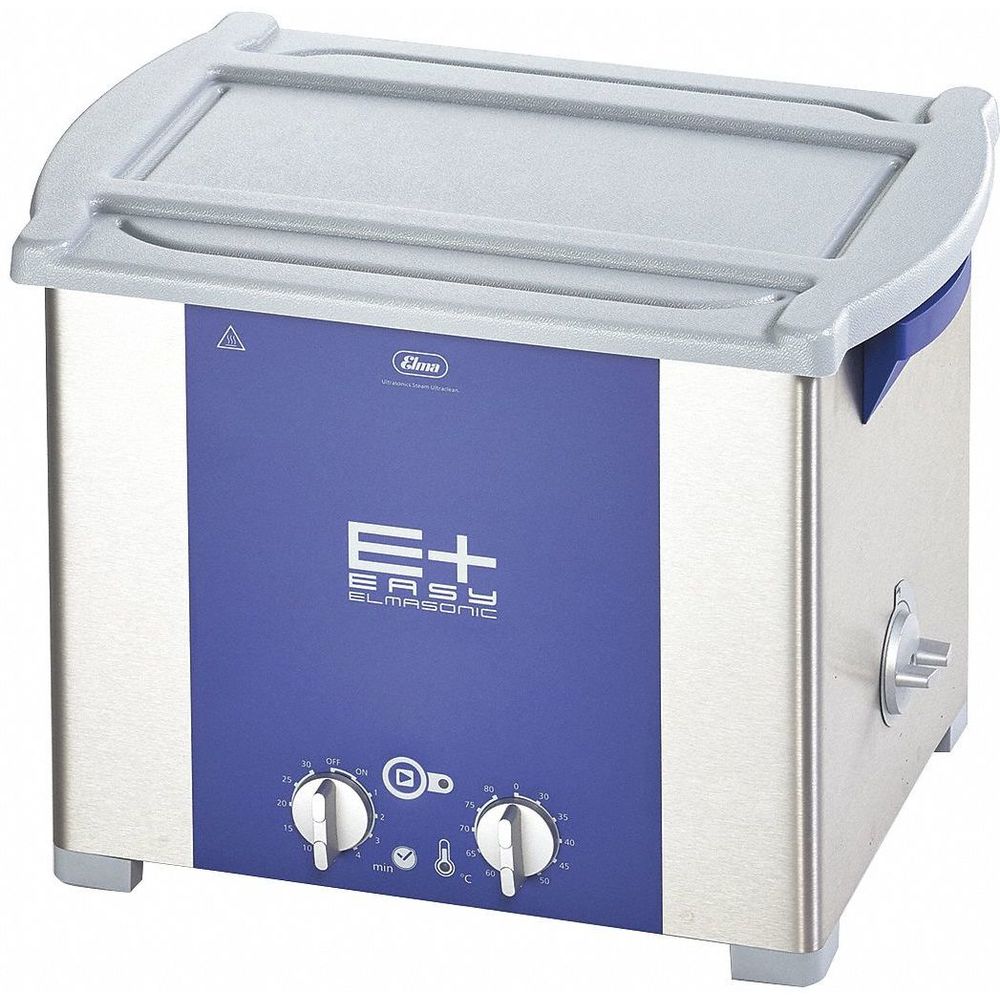
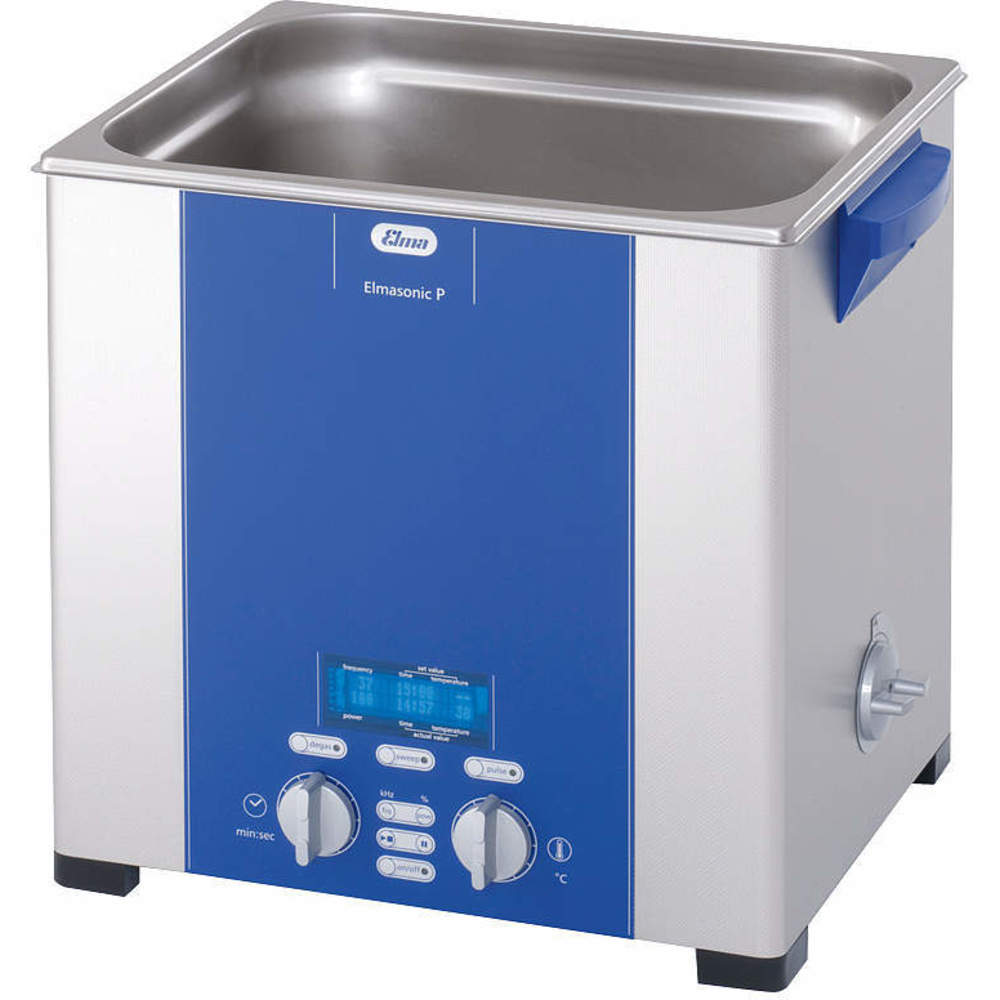
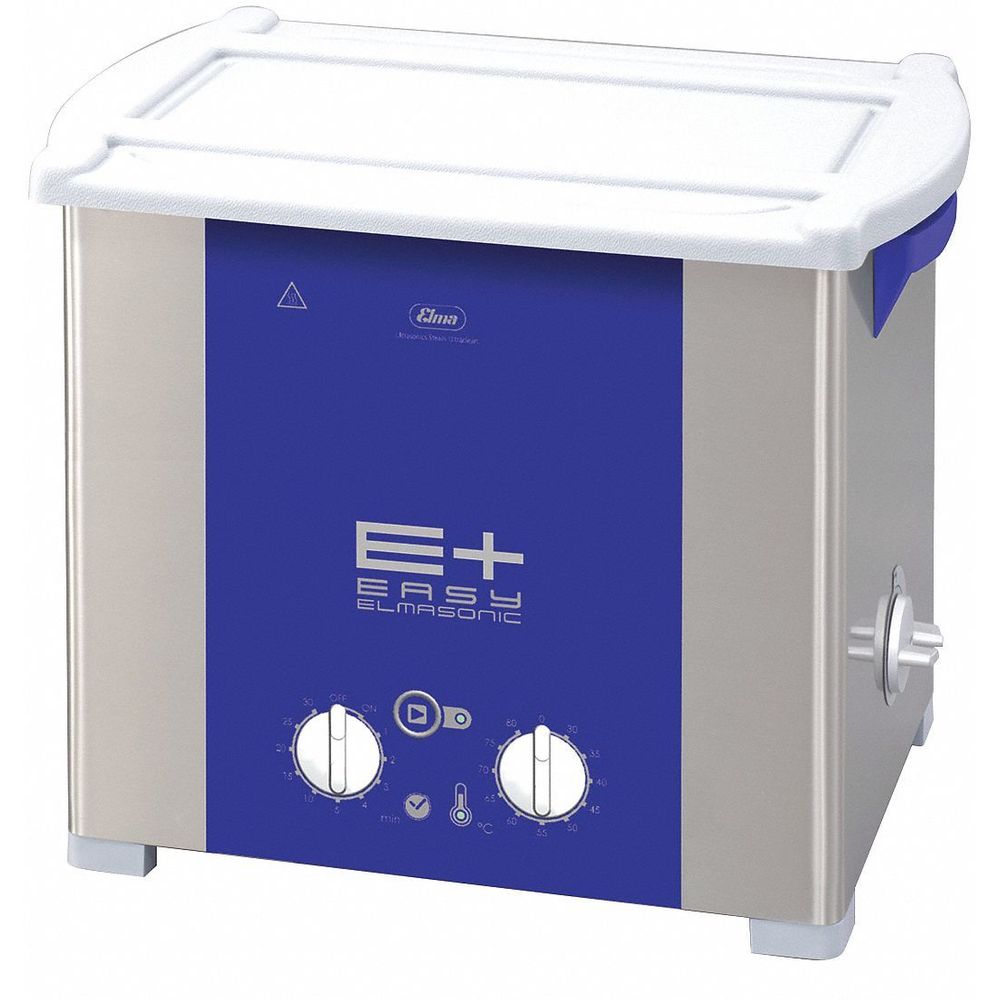
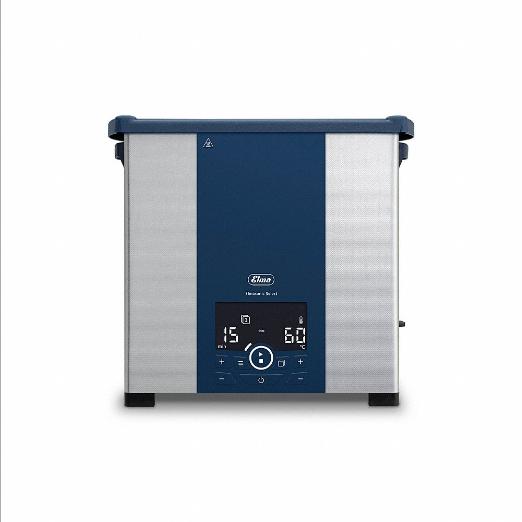
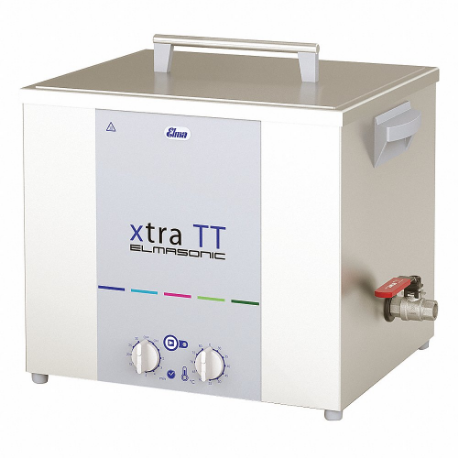
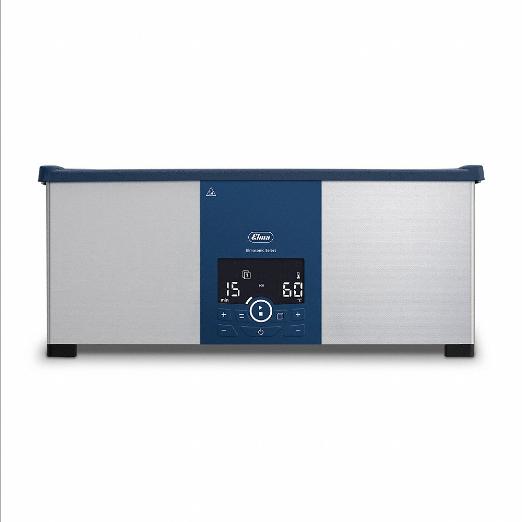
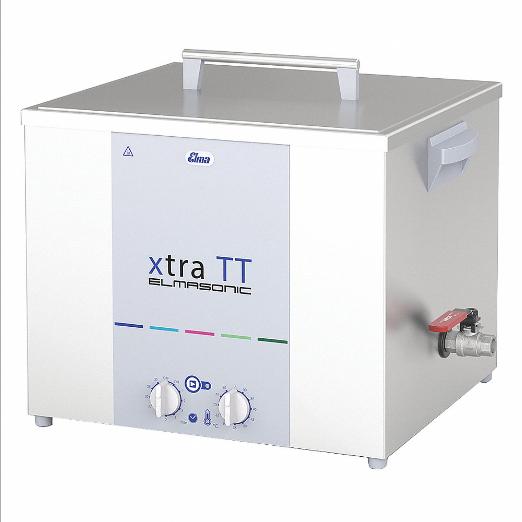
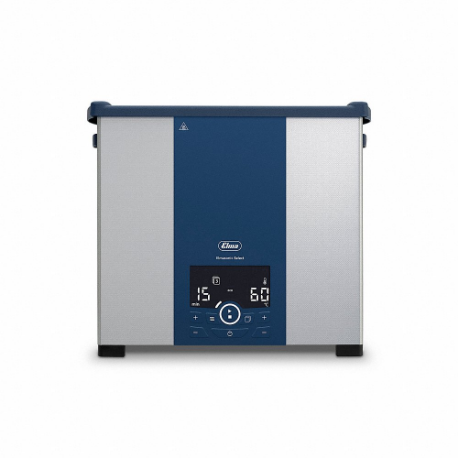
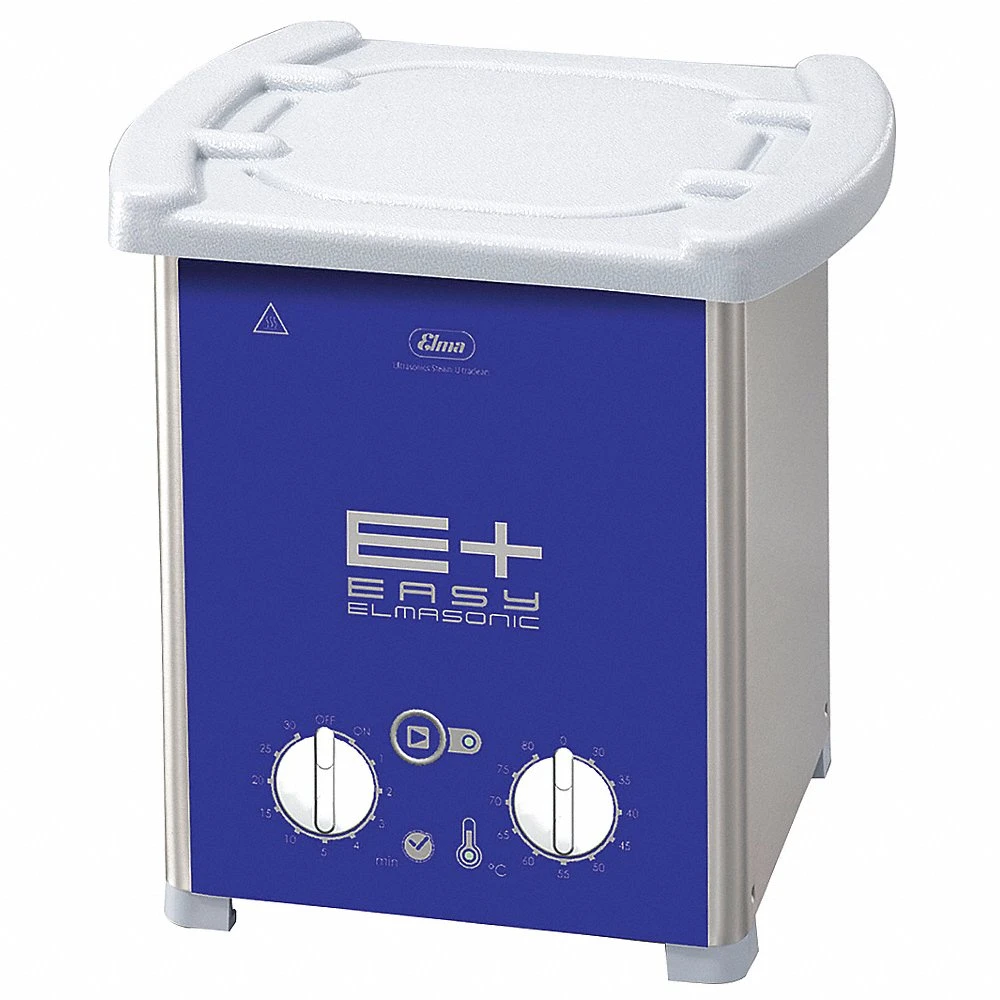
Elma ultrasonic cleaners are designed to effectively clean hard surfaces, such as metal, glass or fibreglass machinery and parts. These cleaners feature an integrated Sweep mode for a perfect sound field distribution and Degas mode (selected models) that allows efficient removal of dissolved gases from the cleaning liquid. They are available with two selectable ultrasonic frequencies - one for coarse and preliminary cleaning and the second for intensive and gentle cleaning. The ultasonic baths have cavitation-resistant special stainless-steel construction to ensure durability of the equipment. Choose from a wide range of these ultrasonic industrial cleaners available in analog and LCD screen variants, on Raptor Supplies.
StyleModelTank CapacityHeatedTank DepthTank HeightTank WidthVoltageIncludesOverall DepthPrice
AElmasonic EP20H0.5 gal.Yes5 3/8"3 7/8"5 7/8"110/120V ACCover6 7/8"€1,089.39
Bxtra TT30H0.7 gal.Yes5 1/8"3 7/8"9 3/8"115V ACCover9 1/8"€2,802.15
CP30H0.7 gal.Yes5 3/8"3 7/8"9 3/8"110/120V ACCover7"€2,301.99
DElmasonic EP10H0.25 gal.Yes3 1/4"2 3/8"7 1/2"110/120V ACCover4 3/4"€1,028.86
EElmasonic EP100.25 gal.No3 1/4"2 3/8"7 1/2"110/120V ACCover4 3/4"€859.21
F110 69960.75 gal.Yes4 3/4"3 3/4"8 3/4"115V ACLid6 3/4"€1,771.35
GElmasonic EP30H0.75 gal.Yes5 3/8"3 7/8"9 3/8"110/120V ACCover6 7/8"€1,379.65
H110 69971 gal.Yes4 1/2"5 3/4"8 1/2"115V ACLid6 3/4"€2,497.79
IElmasonic EP40H1 gal.Yes5 3/8"5 7/8"9 3/8"110/120V ACCover6 7/8"€1,824.56
JS50R1.5 gal.No9 3/8"5 1/8"9 3/8"115V AC-10 1/4"€1,789.70
K110 69981.5 gal.Yes4 7/8"5 3/4"10 3/4"115V ACLid8 1/4"€3,023.86
LElmasonic EP60H1.5 gal.Yes5 7/8"5 7/8"11 3/4"115V ACCover7 3/4"€1,998.97
MP60H1.5 gal.Yes5 7/8"5 7/8"11 3/4"110/120V ACCover7 1/4"€3,268.60
Nxtra TT60H1.7 gal.Yes5 7/8"5 7/8"11 3/4"115V ACCover9 7/8"€3,679.73
OP70H1.75 gal.Yes5 3/8"3 7/8"19 7/8"110/120V ACCover7"€3,338.22
P110 70002.5 gal.Yes8 3/4"5 3/4"11"-Lid11 3/4"€3,633.85
Q110 69992.5 gal.Yes4 1/4"5 3/4"18 3/4"115V ACLid7 3/4"€3,563.46
RElmasonic EP100H2.5 gal.Yes9 3/8"5 7/8"11 3/4"115V ACCover11 1/8"€2,391.49
S110 70013.5 gal.Yes8 1/2"7 3/4"11 3/4"115V ACLid11 3/4"€4,506.28
TP120H3.5 gal.Yes9 3/8"7 7/8"11 3/4"110/120V ACCover10 7/8"€5,797.45
UElmasonic EP120H3.5 gal.Yes9 3/8"7 7/8"11 3/4"110/120V ACCover11 1/4"€2,928.61
Vxtra TT120H3.7 gal.Yes9 3/8"7 7/8"11 3/4"115V ACCover13 3/8"€5,619.79
W110 70023.75 gal.Yes11"3 3/4"19 1/8"115V ACLid14 1/4"€5,570.90
Xxtra TT200H4.8 gal.Yes11"7 7/8"12 5/8"115V ACCover15 3/8"€6,626.47
Y110 70034.75 gal.Yes10 5/8"7 3/4"11 3/4"115V ACLid14 1/4"€5,035.34

Features

  • Elma ultrasonic cleaners have an integrated Sweep mode for a perfect sound field distribution.
  • They come with two selectable ultrasonic frequencies: one for coarse & preliminary cleaning and the other for intensive and gentle cleaning.
  • These ultrasonic baths have cavitation-resistant special stainless-steel construction to ensure the durability of the equipment.
  • Selected models have a Degas mode that efficiently removes dissolved gases from the cleaning liquid.

Working Mechanism

  • Ultrasonic cleaning uses high-frequency sound waves transmitted through the liquid to scrub clean the surface of immersed components.
  • High-frequency sound waves agitate a liquid solution of water or solvent, causing cavitation of solution molecules.
  • 25 kHz is appropriate for coarse cleaning & removal of lapping or polishing media.
  • 45 kHz is suitable for fine cleaning & removal of oils and fats; ideal for hard surfaces such as metal and glass.
  • These sound waves create millions of tiny bubbles in the cleaning solution.
  • The bubbles explode violently near the surface of the object being cleaned, resulting in a scrubbing action known as cavitation.
  • This cavitation process dislodges dirt, grime and contaminants from the object's surface.
  • The cleaning solution helps to carry away the dislodged particles, leaving the object clean.

Frequently Asked Questions

How do I prepare the item for cleaning with an ultrasonic cleaner?

Before placing the item in the ultrasonic cleaner, remove any large debris or contaminants manually. Additionally, disassemble the parts if possible for a thorough cleaning. Keep the item fully submerged in the cleaning solution during the cleaning process.

What are direct and indirect cleaning methods?

  • Direct cleaning is when parts are immersed in a cleaning solution within the ultrasonic cleaner (in a perforated tray or mesh basket). In direct cleaning, select a solution that would not harm the cleaner.
  • Indirect cleaning involves placing the parts in a separate non-perforated tray or beaker inside the ultrasonic tank (often with a solution that does not directly fill the tank). If opting for indirect cleaning, ensure that the water level in the tank itself stays at the designated fill line (approximately 1 inch from the top) consistently.

Can I reuse the cleaning solution in Elma ultrasonic cleaners?

Yes, you can reuse the cleaning solution in Elma ultrasonic cleaners for multiple cleaning cycles. Also, monitor the solution for signs of degradation, such as cloudiness or reduced effectiveness. Replace the solution as needed.

Why are trays or beakers necessary in an ultrasonic cleaner?

It's essential to never place items directly on the bottom of the tank during cleaning. The transducers responsible for producing ultrasound are bonded to the tank bottom. Placing items directly on this surface can damage the transducers and diminish cavitation effects. Furthermore, using a tray or beaker assures that the item is positioned within the best cleaning zone of the tank. Additionally, the tray or beaker helps keep the load together and facilitates easy, hands-free removal, draining and transportation of items to the next cleaning step.

How can I check if Elma ultrasonic cleaners are generating cavitation?

Normally, inadequate cleaning results from improper management of various process variables, such as using the wrong detergent, insufficient heat or time for soil removal. If you suspect that your ultrasonic cleaner isn't generating cavitation effectively, you can conduct either the glass slide test or the foil test.

How do I conduct the glass slide test?

  • Begin by wetting the frosted section of a glass slide with tap water, then draw an X with a No. 2 pencil from one corner to the opposite corner of the frosted area.
  • Fill the tank to the designated level, then immerse the frosted end of the slide into a fresh cleaning solution.
  • Turn on the ultrasonics.
  • You should observe the lead X being gradually removed, with all lead gone within ten seconds.

How do I conduct the foil test?

  • Start by cutting three small pieces of aluminium foil (about 4 x 8 inches).
  • Fold each piece over a rod. You can use a clothes hanger to suspend the foil in the tank.
  • Fill the cleaner with the ultrasonic cleaning solution (degassed and at the normal operating temperature).
  • Suspend the first piece of foil in the centre of the tank and the other two pieces a few inches from each end.
  • Confirm that the tank is filled to the proper level, then activate the ultrasonics for about ten minutes.
  • Then, inspect the foil. All three pieces should show similar levels of perforation and wrinkling.