


SIEMENS HQS Series, Plug In Circuit Breaker
Siemens plug-in miniature circuit breakers are designed for use in commercial and industrial applications. They provide reliable protection against overcurrents and short circuits in electrical circuits.
Filter
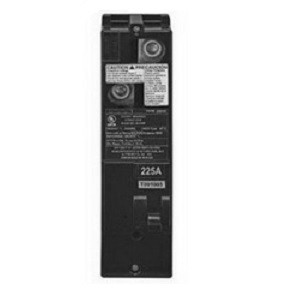 A
A| Style | Model | Amps | No. Of Poles | Voltage | Voltage Type | Frame Type | Price | |
|---|---|---|---|---|---|---|---|---|
| A | HQS2100H | 100A | 2 | 240V | AC | Q | €573.44 | |
| A | HQS2125H | 125A | 2 | 240V | AC | Q | - | RFQ
|
Working Mechanism
- These circuit breakers comprise a thermal-magnetic trip mechanism that protects against faulty currents.
- The thermal trip element (bimetallic strip) is heated by the current passing through the circuit. As the current increases, the bimetallic strip heats up and deflects, thus tripping the circuit breaker.
- This mechanism is designed to protect against overloads, which are prolonged overcurrent conditions that can damage wiring and equipment.
- The magnetic trip element (an electromagnet) is activated by short-circuit currents.
- When a high current flows through the circuit, the magnetic field generated by the electromagnet causes a trip lever to move, thereby tripping the circuit breaker.
Features
- They feature a thermal-magnetic tripping mechanism that senses the heat generated by current flow and the magnetic field created by the current and trips the breaker instantly to prevent further damage.
- These units connect to the power supply through bus bars, eliminating the need for pigtail wires.
- They feature a quick-connect design that allows for easy installation and removal in Siemens load centres and panelboards.
Standards and Approvals
- UL
Frequently Asked Questions
What is the current rating of Seimens HQS Series circuit breakers?
Seimens HQS Series circuit breakers are available in current ratings of 100 and 125
How to maintain Seimens HQS Series circuit breakers?
- Regualrly inspect circuit breakers for signs of damage or wear. Look for cracks or chips in the insulation, corrosion or rust on metal parts and any loose connections.
- Keep the circuit breaker clean and free of dust, debris and moisture. Use a soft, dry cloth to wipe the breaker and its component.
- Check all electrical connections periodically and tighten any loose ones that can cause the breaker to overheat and fail.
- Test the circuit breaker regularly to ensure it is functioning properly. This can be done by using a circuit breaker tester or by checking an overload on the circuit.
We are here to help!
Looking for a part not listed here?
Explore More
- KEYSHAFT
- Extension Ladders
- Electric Screwdrivers
- Bore Polishers
- Eyebolts
- Belt Barrier Receiver Posts
- PS DOORS Safemezz Pallet Gates
- HONEYWELL CoreShield Microfoam Nitrile Coating Cut Resistant Gloves
- MECHANIX Carbon X Level 5 Heat Resistant Gloves
- DESTACO 334 Series Pull Action Latch Clamps
- JOHN GUEST Metric Union Elbows, Acetal Black
- COOPER B-LINE B331 Series Two Hole Short Open Angles
- THOMAS & BETTS Ratchet Crimpers
- CROWN BOILER CO. Controls
- STEINER INDUSTRIES Welding Strip Curtains, Tinted
- GLOBE SCIENTIFIC Micro-Hematocrit Capillary Tubes, Glass