


BUSSMANN Time Delay Class D - Milk Bottle Fuses
Bussmann Class D fuses protect motors, fans, blowers, conveyors and HVAC systems from electrical faults, minimising downtime and ensuring operational reliability.
Filter
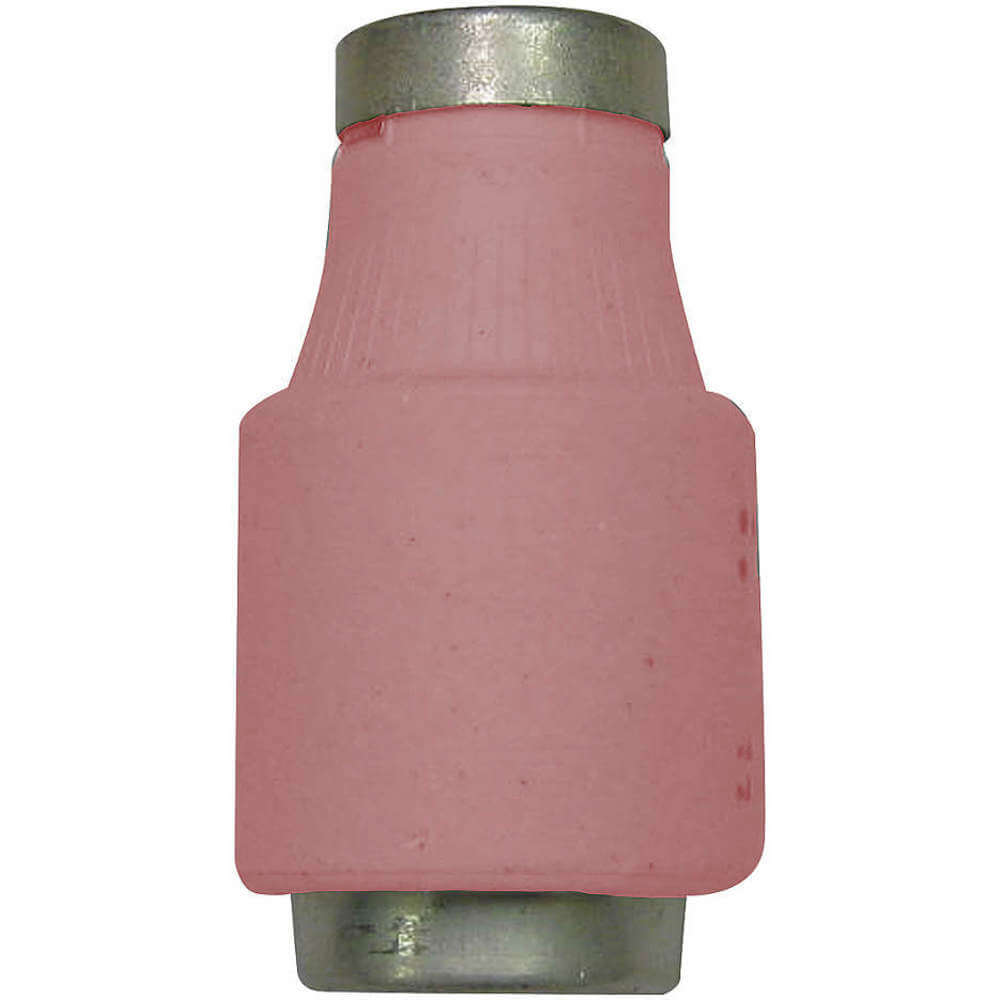 A
A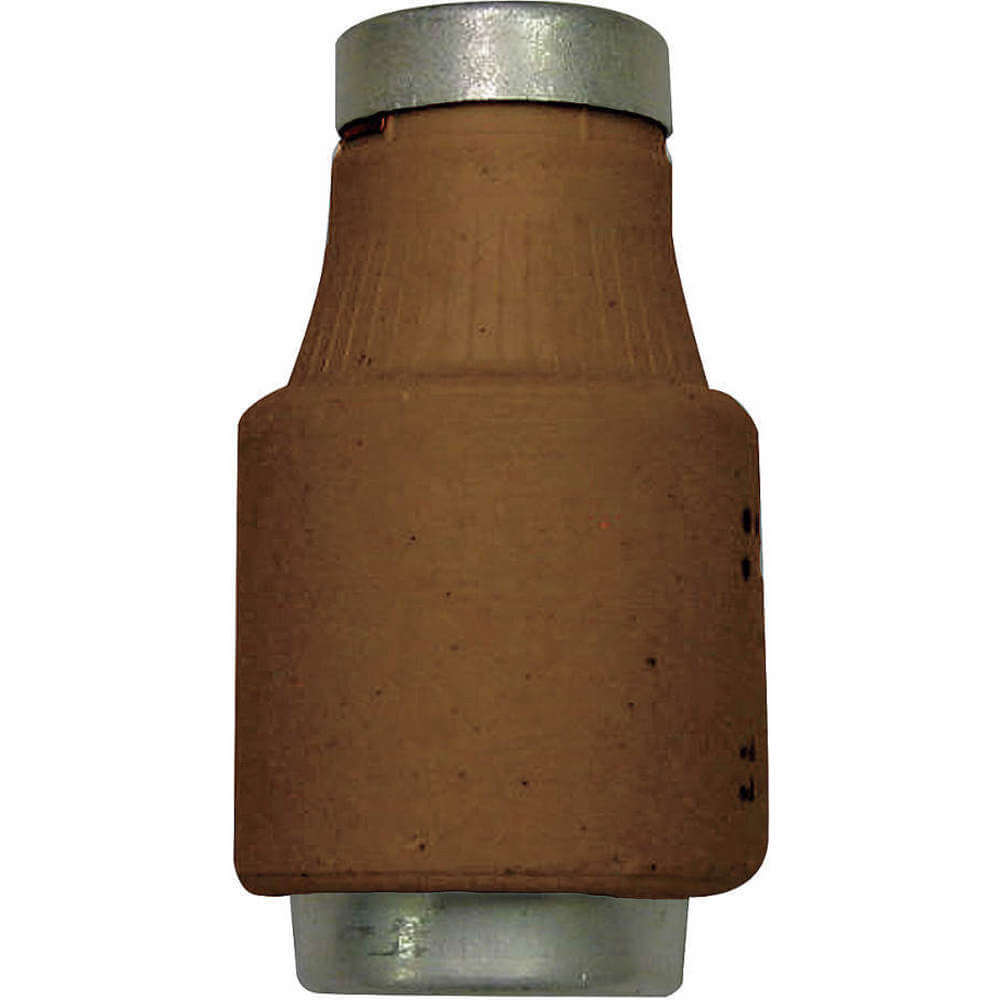 B
B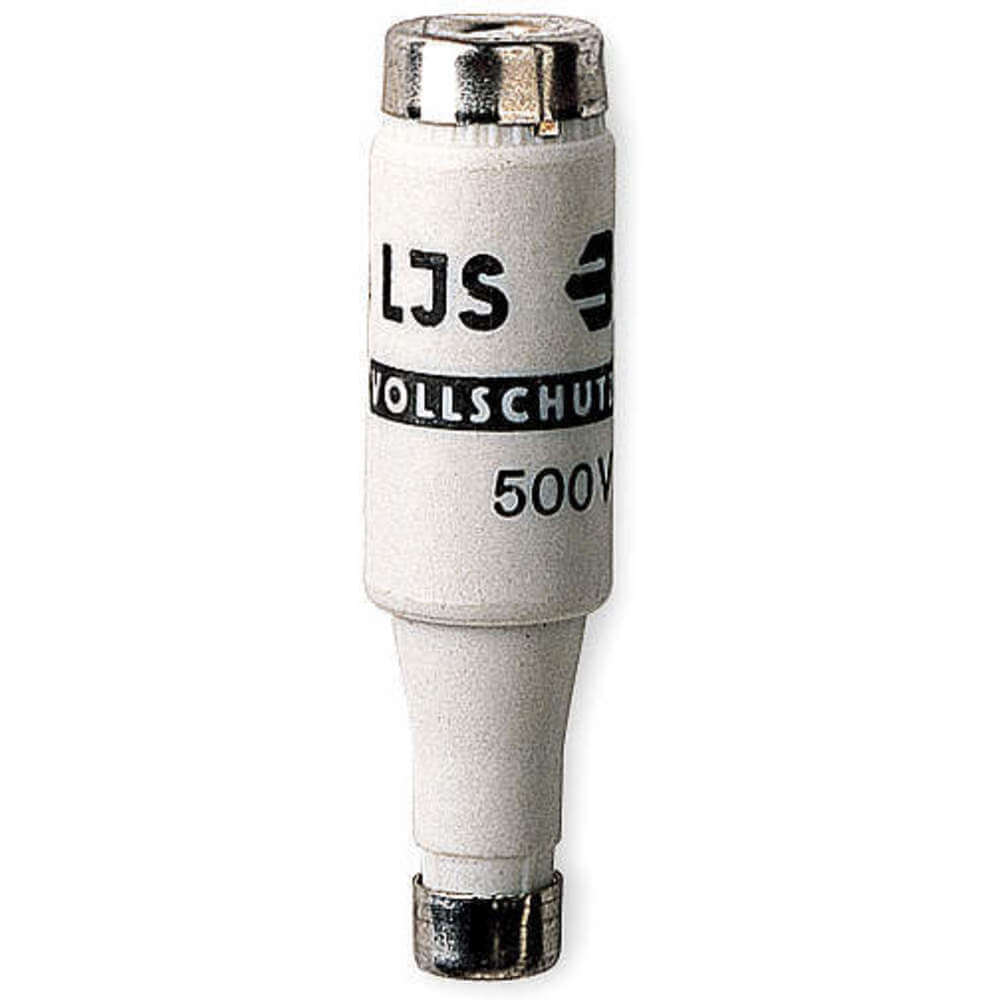 C
C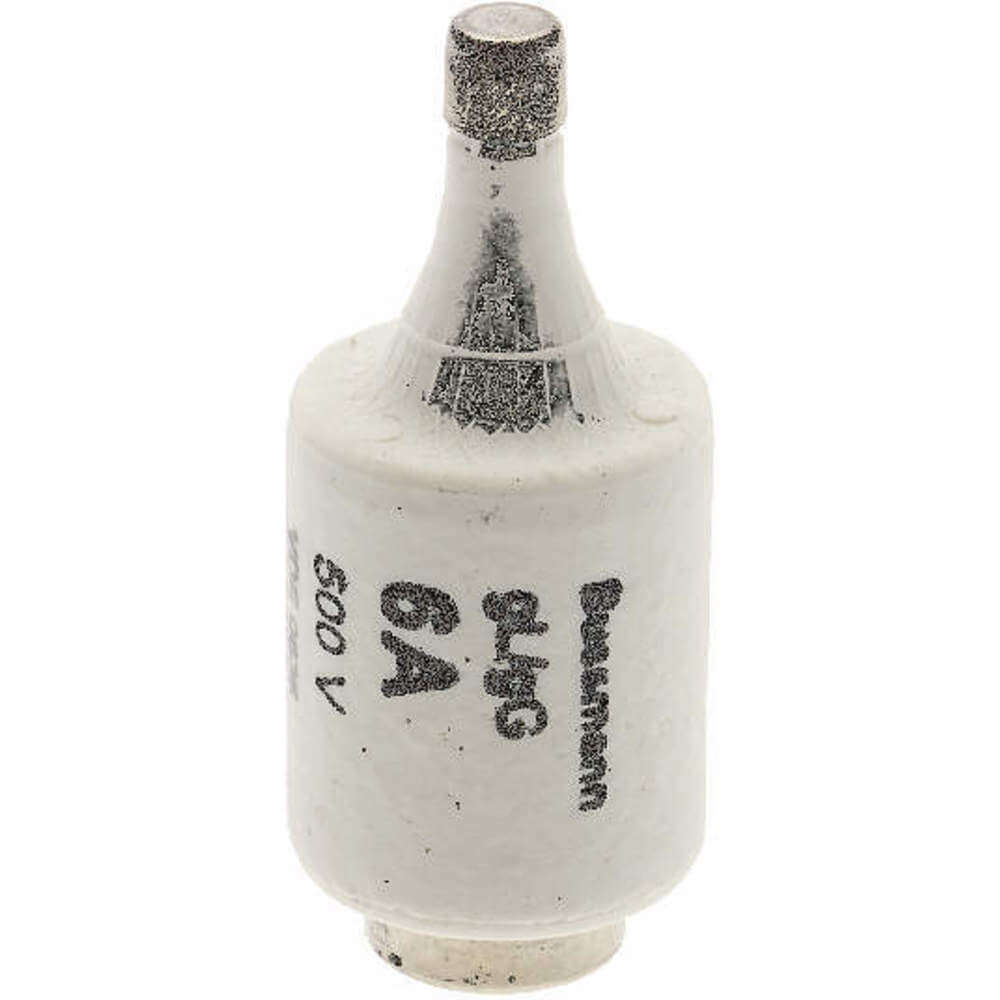 D
D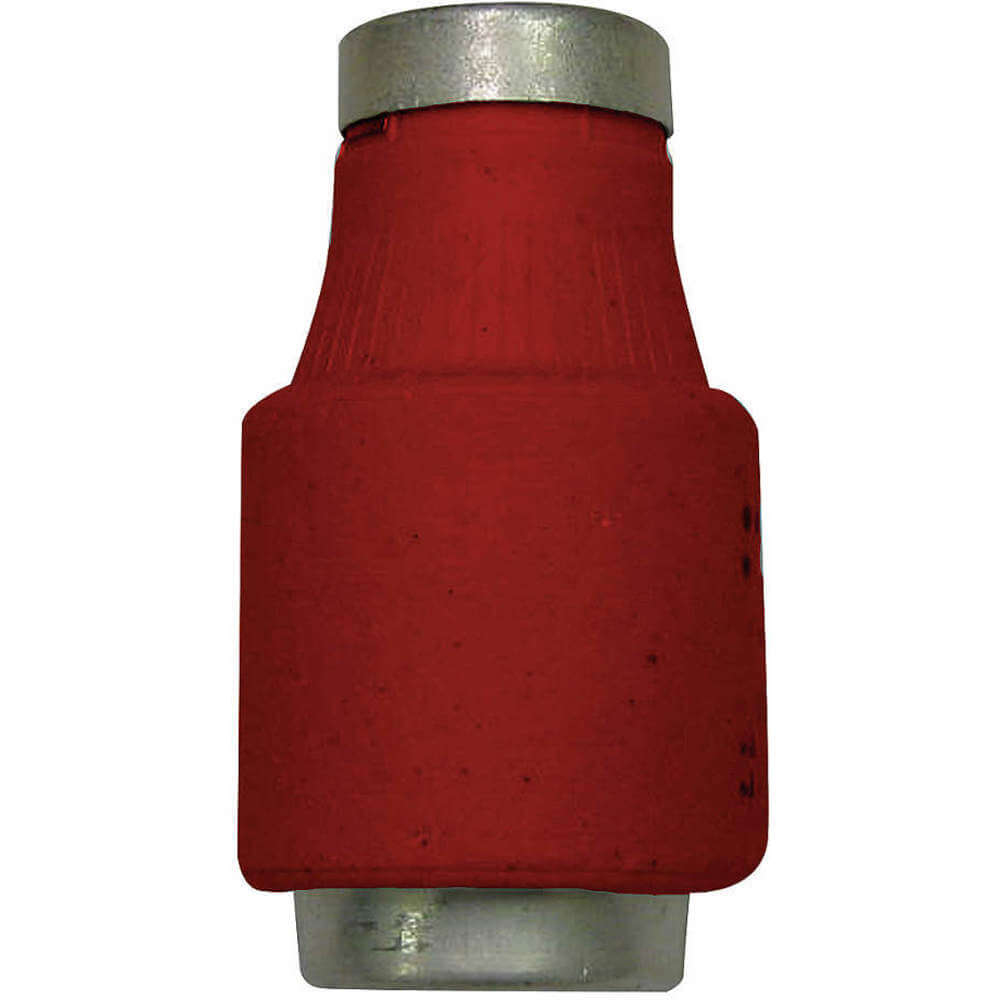 E
E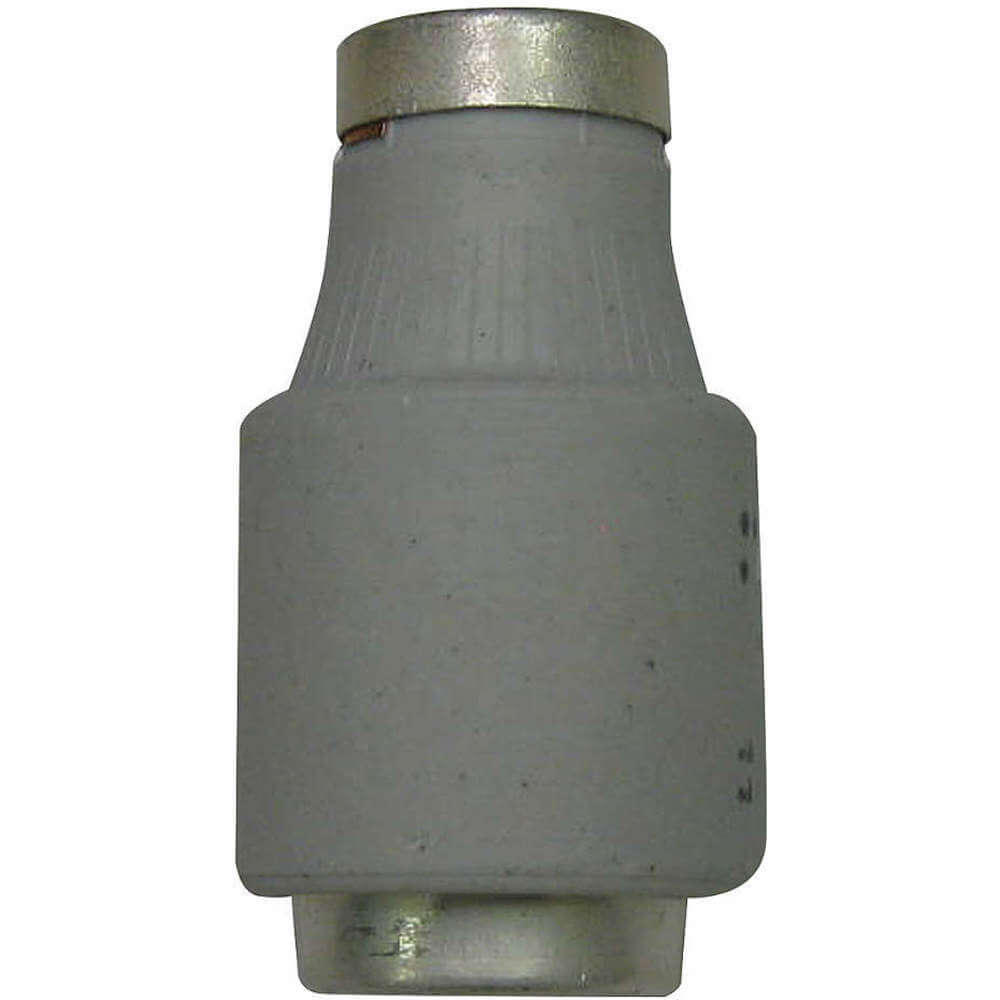 F
F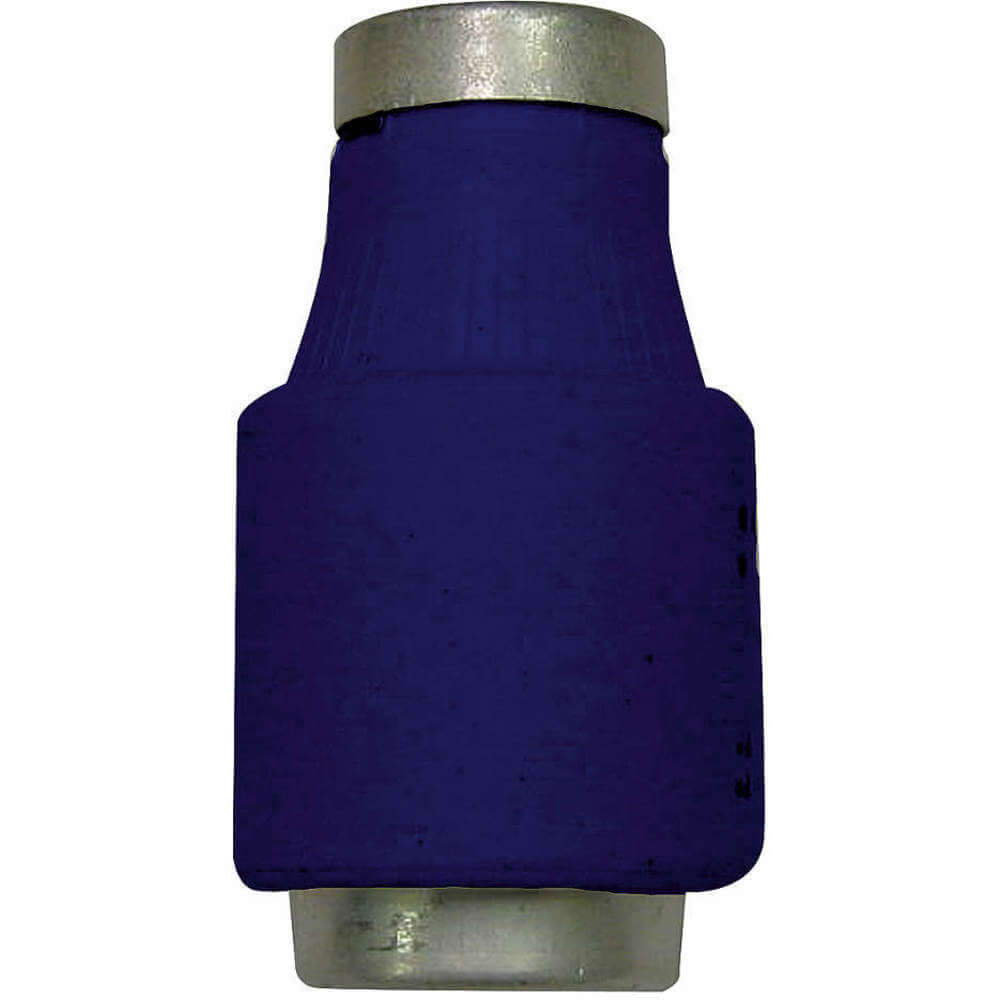 G
G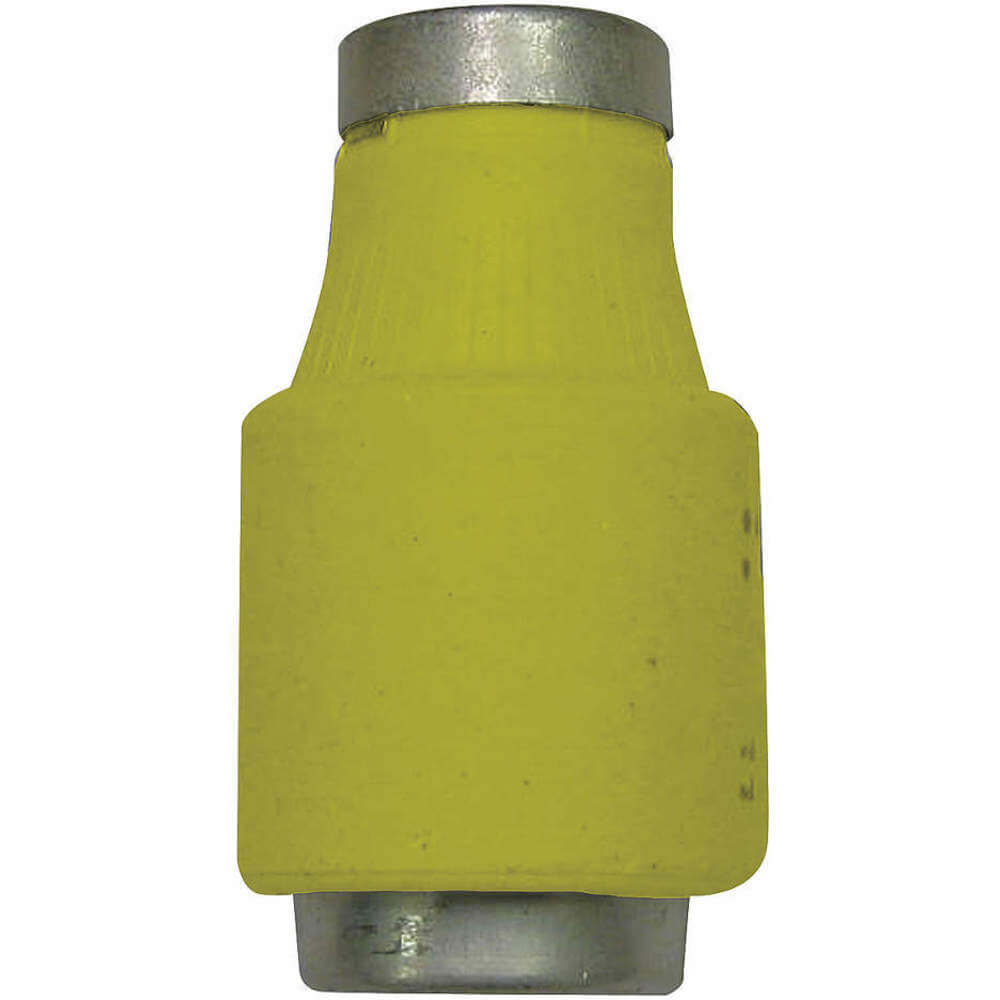 H
H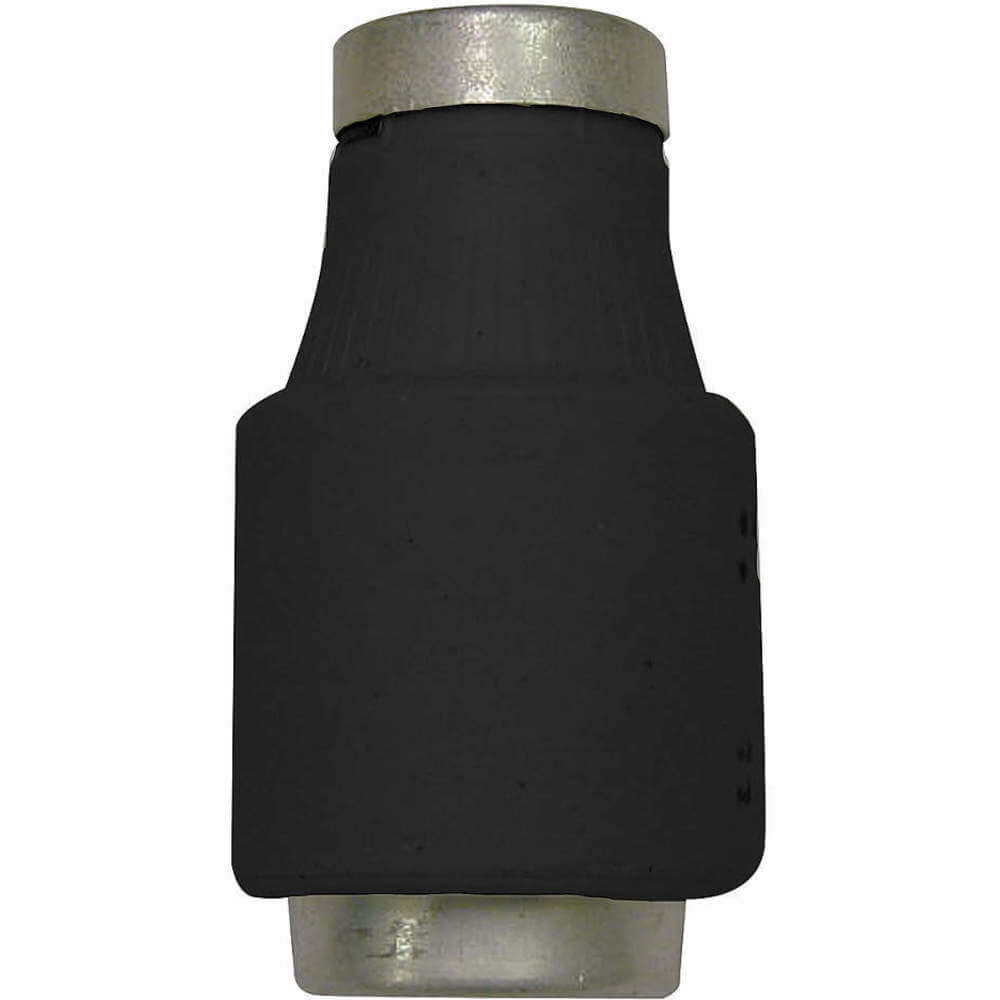 I
I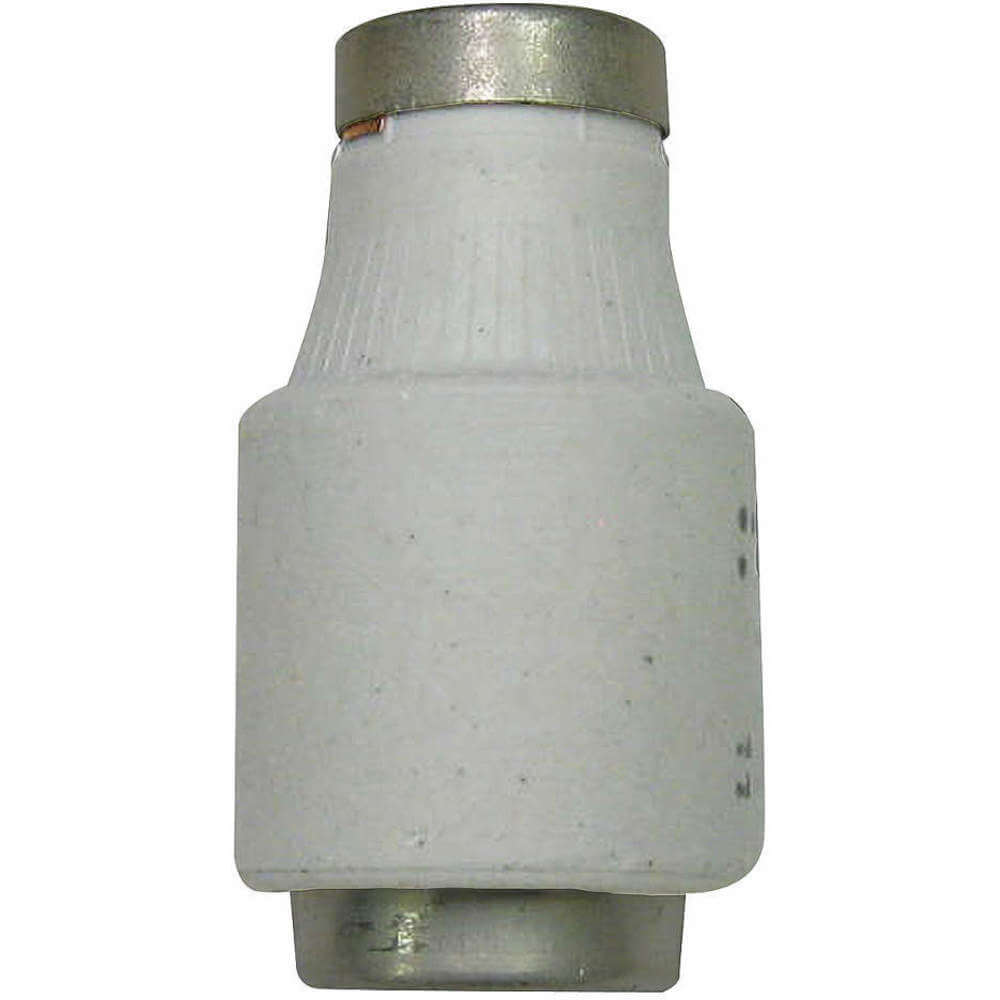 J
J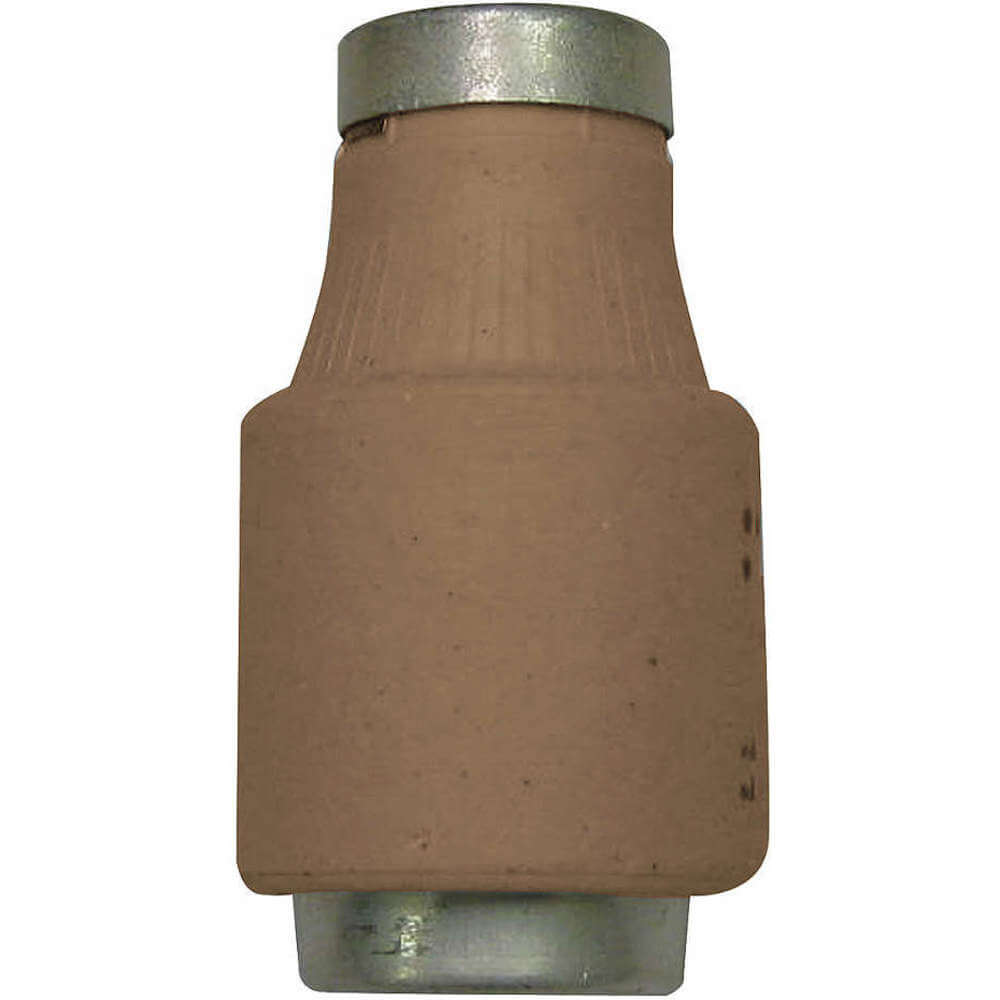 K
K| Style | Model | Fuse Amps | Dia. | Color Code | Series | Amps | Fuse Size | Equivalent Series | Speed Type | Price | |
|---|---|---|---|---|---|---|---|---|---|---|---|
| A | 2D27 | 2A | 27/32" | Pink | D27 Series | 2A | 2" x 27/32" | 5Sb2, D27 | Time Delay | €38.03 | |
| B | 4D16 | 4A | 1/2" | Brown | D16 Series | 4A | 2" x 1/2" | 5Sa2, D16 | Time Delay | €39.54 | |
| B | 4D27 | 4A | 27/32" | Brown | D27 Series | 4A | 2" x 27/32" | 5Sb2, D27 | Time Delay | €37.89 | |
| C | 4GD27 | 4A | 24 mm | Brown | None | - | - | - | Time Delay | €8.77 | |
| D | 6D27 | 6A | 27/32" | Green | D27 Series | 6A | 2" x 27/32" | 5Sb2, D27 | Time Delay | €37.42 | |
| E | 10D27 | 10A | 27/32" | Red | D27 Series | 10A | 2" x 27/32" | 5Sb2, D27 | Time Delay | €32.84 | |
| E | 10D16 | 10A | 1/2" | Red | D16 Series | 10A | 2" x 1/2" | 5Sa2, D16 | Time Delay | €36.84 | |
| F | 16D27 | 16A | 27/32" | Grey | D27 Series | 16A | 2" x 27/32" | 5Sb2, D27 | Time Delay | €33.86 | |
| G | 20D27 | 20A | 27/32" | Blue | D27 Series | 20A | 2" x 27/32" | 5Sb2, D27 | Time Delay | €33.16 | |
| H | 25D27 | 25A | 27/32" | Yellow | D27 Series | 25A | 2" x 27/32" | 5Sb2, D27 | Time Delay | €33.17 | |
| I | 35D33 | 35A | 1 1/16" | Black | D33 Series | 35A | 2" x 1 1/16" | 5SB4 Series, D33 Series | Time Delay | €59.36 | |
| J | 50D33 | 50A | 27.5 mm | White | - | - | - | - | Time Delay | €61.68 | |
| K | 63D33 | 63A | 1 1/16" | Copper | D33 Series | 63A | 2" x 1 1/16" | 5SB4 Series, D33 Series | Time Delay | €61.85 | |
| C | 100D125 | 100A | 1 1/3" | Red | D125 Series | 100A | 2 1/4" x 1 1/3" | 5SC2 Series, D125 Series | Time Delay | €101.19 |
Features
- Bussmann time delay Class D fuses feature white ceramic construction for durability and temperature resistance.
- They have an interrupt rating of 50kA at 500VAC and are available in amperage ratings ranging from 2A to 100A.
- These fuses have time-delayed speed to protect against temporary overloads.
Frequently Asked Questions
What are bottle fuses?
The bottle fuses are types of fuses with variable-sized ends used in small electrical systems to protect circuits from short circuits and overcurrents. These bottle fuses prevent incorrect insertion of wrong fuses into a circuit.
What is the difference between fusible and non-fusible switches?
Fusible switches are equipped with integrated fuses that offer overcurrent protection for electrical circuits, while non-fusible switches lack built-in fuses and rely on other protective devices, such as circuit breakers or upstream fuses, to provide overcurrent protection in the circuit.
How to maintain Bussmann time delay Class D fuses?
- Ensure the fuse and surrounding components are clean and free from debris.
- Store the fuses in a dry, clean and well-ventilated area.
- Verify that the voltage and current ratings match the circuit requirements.
- Ensure the electrical circuit does not carry a current higher than the fuse's rated capacity.
We are here to help!
Looking for a part not listed here?
Explore More
- BEL-ART - SCIENCEWARE
- DURO
- ELKAY
- KEYSHAFT
- TICO
- Specialty Hand Trucks
- Horn Accessories
- Hydraulic Lift Kits
- Electric Ceiling Heater Accessories
- Float Valves
- PLAST-O-MATIC PR Series Pressure Regulators
- ACCURIDE 2109 Series Light Duty Slides With Lever Disconnect
- ANSELL 27-600 Activarmr Robust Industrial Gloves
- DESTACO 371-M Series Pull Action Latch Clamps
- GLOBE SCIENTIFIC Bottles, PP, Wide Neck, Round
- WALTER TOOLS F2171 Reaming Tool
- PASS AND SEYMOUR Wide Slide Series Incandescent Dimmers
- COOPER B-LINE Shelf And Sliding Keyboard Drawers
- SPEARS VALVES PVC Schedule 80 DWV Fabricated Fitting 45 Deg. Elbows, Socket x Socket
- SEE ALL INDUSTRIES Service Record Tags