


AEROQUIP Danfoss GH781 Series Rubber Hydraulic Braided Hoses
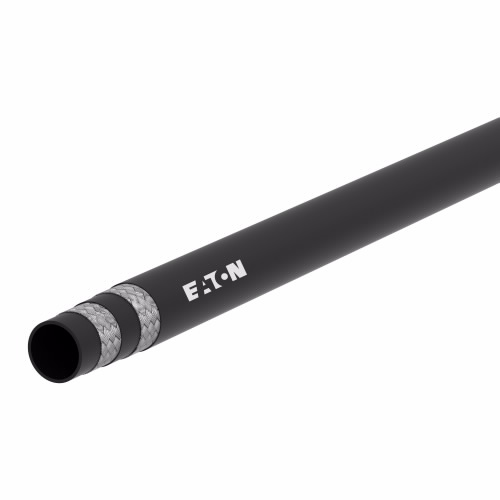
Eaton Danfoss GH781 Series double-ply braided hoses are made of nitrile to aid in high-pressure hydraulic systems with petroleum and water-glycol-based fluids.
Filter
 A
A| Style | Model | Hose Inside Dia. | Max. Working Pressure @ 70f | Working Pressure | Burst Pressure | Dash Size | Height | Wall Thickness | Min. Bend Radius | Price | |
|---|---|---|---|---|---|---|---|---|---|---|---|
| A | GH781-16R150 | 1" | 3000 psi | 3000 psi | 12000 psi | 16 | 1" | 0.42" | 5.9" | €3,346.71 | |
| A | GH781-8R250 | 1/2" | 4500 psi | 5000 psi | 20000 psi | 8 | 1/2" | 8/25" | 3.54" | €2,829.21 | |
| A | GH781-4R250 | 1/4" | 6500 psi | 6500 psi | 26025 psi | 4 | 1/4" | 0.31" | 1.97" | €2,131.33 | |
| A | GH781-12R250 | 3/4" | 3500 psi | 3485 psi | 13960 psi | 12 | 3/4" | 0.37" | 4 18/25" | €4,348.96 | |
| A | GH781-6R250 | 3/8" | 5300 psi | 5800 psi | 23200 psi | 6 | 0.38" | 0.31" | 2.55" | €2,357.56 | |
| A | GH781-10R250 | 5/8" | 4000 psi | 4025 psi | 16060 psi | 10 | 0.63" | 9/25" | 3.94" | €3,973.55 |
Features
- These hoses come with TTC (Through-The-Cover) type fittings that allow easy identification for crimping on the hose to provide oil-tight sealing.
- These fittings feature Dura-Kote plating technology that provides up to 1000 hours of corrosion protection which is 3 times more than standard hose fittings.
- They can withstand a maximum temperature and burst pressure of 258.8 F and 20000 psi, respectively.
Standards and Approvals
- ABS
- BV
- DNV
- LR
- MED
- BWB
- USCG
- EN45545
- MSHA
Frequently Asked Questions
What is braiding in hoses?
The braid is made by weaving steel wires on the periphery of a flexible hose to prevent elongation of the flexible hose under extreme pressures and high temperatures.
What are double wire braid hoses?
Double-wire braided hoses are composed of synthetic rubber lining of oil-resistant, two-wire braid reinforcement, separated by a synthetic rubber layer and a synthetic cover. This construction provides extra support during high pressures if the hose cover has been damaged or the exterior braid is prone to rust / failure, making the internal braid still available for protecting the hose against environmental damage.
How to replace a hydraulic hose?
- Release pressure out of the hydraulic system before any further operation as the pressure could result in injuries from hydraulic fluid sprays.
- Place a bucket or sheet beneath the component to prevent contamination of the work area from fluid leaks when replacing the hose.
- Remove the covering from the hose attachment.
- Clean connectors on both sides of the hose.
- Unscrew the fittings by using a wrench.
- Now replace the hose and follow the above-mentioned steps to screw back the hose fitting.
- Once done, test the hydraulic systems under low pressure.
We are here to help!
Looking for a part not listed here?
Explore More
- KEYSHAFT
- RITRON
- ZURN
- ROTRON
- BRASS KNUCKLE
- Locker Accessories
- Soapstones
- Reusable Litter Collection Bags
- Filter Heads
- Machine Key
- CAIMAN Heatrac Insulated Touch Screen Winter Gloves, Camouflage
- LOC-LINE Acid Resistant Y Fittings
- JOHN GUEST Swivel Male Elbows, BSPT Thread, Acetal Gray
- ASSOCIATED SPRING RAYMOND CU2900 Gas Springs
- GLOBE SCIENTIFIC Four Pour Spout Beakers
- RITTAL Locking Accessories
- DURHAM MANUFACTURING Industrial Cabinets
- EATON CXF Full Range Indicator Current Limiting Fuses
- RUD CHAIN WPP-B Powerpoint Ring Connection Hoist Rings
- DIXON Light Duty Tank Ferrules